Table of contents
Modern forestry equipment stands at the forefront of sustainable logging practices, revolutionizing how forests are managed and conserved. Readers are invited to explore the ways in which advanced machinery and innovative techniques minimize environmental impact while maximizing efficiency. Delve into the following sections to uncover how technology is shaping the future of responsible forestry and why these developments matter for both ecosystems and the industry.
Efficiency through advanced machinery
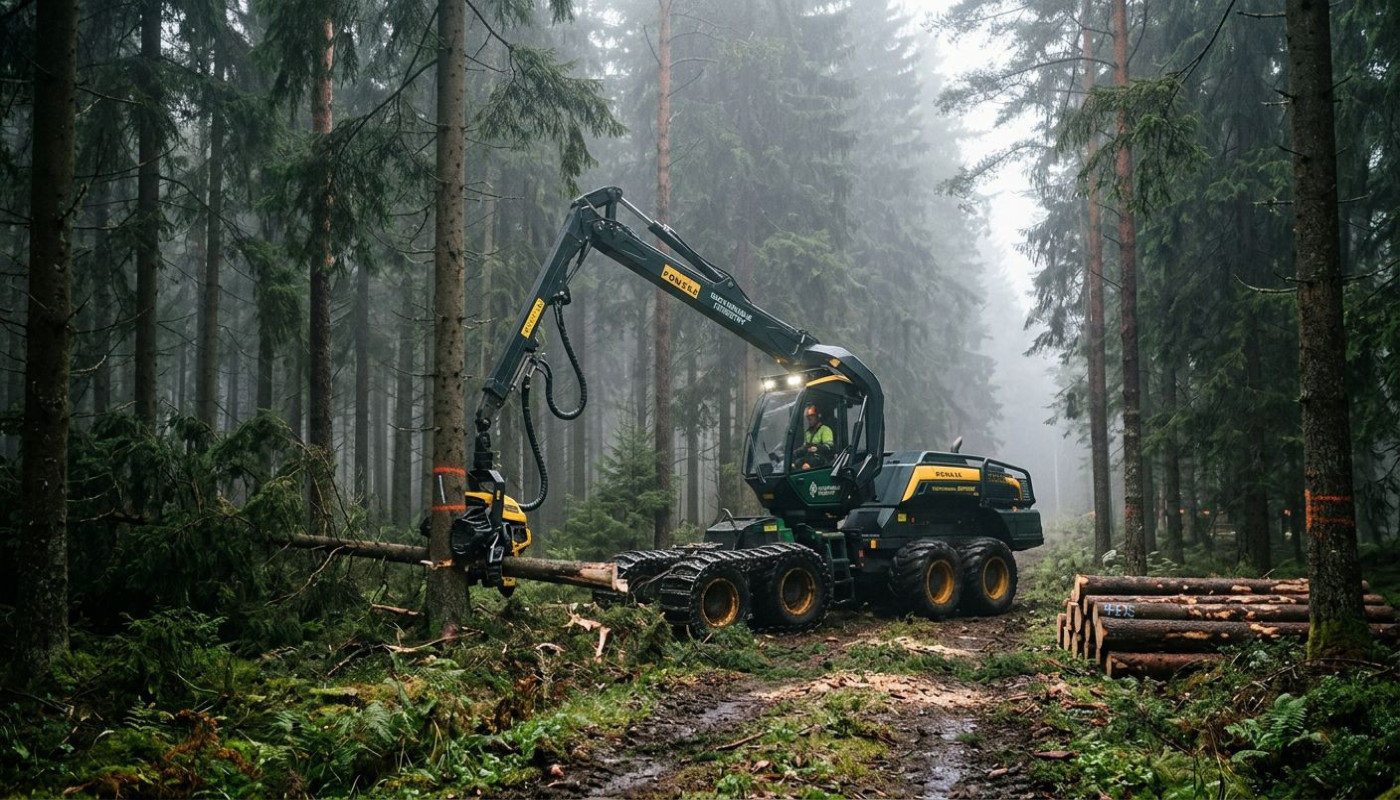
Modern forestry machinery has revolutionized sustainable logging by integrating sophisticated technologies that significantly boost operational efficiency. Efficient harvesters equipped with hydraulic harvesting systems automate the cutting, delimbing, and bucking of trees, enabling precise operations that drastically reduce the time and manual labor once required in the forest. The hydraulic harvesting system utilizes pressurized fluid to control powerful, yet delicate, movements of cutting heads and grapples, allowing for swift, targeted extraction with minimal disturbance to surrounding vegetation. Advanced logging equipment, such as forwarders, then transports logs without dragging them across the forest floor. This approach is invaluable for soil protection, since it limits soil compaction—a key factor in maintaining forest health and minimizing long-term ecological impact. Streamlining each phase of the process with forestry machinery not only supports sustainable logging objectives, but also helps preserve the structural integrity of both the soil and residual trees, ensuring forests remain productive and resilient for future generations.
Reducing environmental footprints
Modern forestry equipment plays a pivotal role in minimizing the environmental impact of logging operations by enabling precision logging and effective biomass management. Precision logging involves the use of advanced machinery that allows operators to target individual trees for removal rather than clear-cutting large areas, significantly reducing collateral damage to the surrounding ecosystem. Through GPS forestry and mapping technologies, operators implement site-specific management—a method that tailors harvesting practices to the unique characteristics of each area within a forest. This approach ensures that only designated trees are harvested, enabling selective harvesting that supports biodiversity conservation by maintaining habitat complexity and protecting sensitive species. GPS-guided machinery not only increases operational efficiency but also helps prevent soil compaction and unnecessary disturbance to undergrowth, further safeguarding the forest's ecological integrity. The integration of these technologies signifies a shift toward sustainable practices where the environmental impact is closely monitored and actively reduced, aligning forest management with contemporary conservation goals.
Promoting worker safety and ergonomics
Modern forestry equipment has transformed forestry safety by integrating advanced operator protection system technology and ergonomic logging equipment. Enclosed cabins shield machine operators from falling debris, noise, dust, and extreme weather, while climate-controlled interiors and adjustable, suspension seating significantly enhance comfort during long shifts. Automated controls further decrease repetitive strain injuries by reducing the need for manual levers and steering, leading to improved worker wellbeing and lower physical fatigue. In addition, these innovations in machinery design contribute to a marked decline in workplace accidents and occupational hazards, as operators remain protected from direct exposure to hazardous tasks and can rely on enhanced visibility and user-friendly interfaces.
Operator protection is now a central feature in forestry machinery, with continuous monitoring and emergency stop systems that proactively address potential dangers. Machine learning-driven diagnostics alert users to maintenance issues before they become safety risks, contributing to safer logging environments. These advancements not only uphold high standards for worker health but also support responsible forestry practices. For those interested in specific machinery that prioritizes operator safety and ergonomic design, Read Full Report provides detailed insights and exemplary models in the sector.
Enhancing resource tracking and data analysis
Digital advancements in forestry equipment are transforming timber tracking and resource monitoring by integrating sophisticated telematics systems and onboard computers. These systems collect real-time forestry data, including machine performance, timber volumes, and geographic location, directly from logging operations. By automatically recording and transmitting this information, digital logging solutions streamline the process of tracking timber from stump to mill, reducing errors and unauthorized harvesting. This seamless data flow enables forest managers to gain a detailed overview of resource availability, harvesting patterns, and equipment efficiency, ensuring that every log harvested is accounted for in the supply chain.
Forestry data generated by these digital solutions not only improves operational visibility but also strengthens sustainable forest management practices. Through advanced data analytics, patterns in harvest intensity, regeneration rates, and biodiversity impact become more transparent, allowing for data-driven decision-making that aligns with ecological sustainability goals. Automated alerts and customizable dashboards help operators quickly respond to deviations from planned activities, such as overharvesting or machinery inefficiencies, supporting adaptability in the face of changing forest conditions. This proactive management helps maintain forest health and productivity while minimizing environmental disruption.
Telematics system integration supports regulatory compliance by providing verifiable records of timber origin, harvest dates, and transport routes, which are increasingly required under international sustainability standards. Digital logging solutions ensure that all operational activities are documented and auditable, making it easier for companies to demonstrate adherence to legal and environmental requirements. In this way, the combination of technology and data analytics not only streamlines everyday operations but also reinforces transparency and accountability throughout the supply chain, positioning modern forestry businesses as leaders in sustainable forest management.
Supporting reforestation and regeneration
Modern reforestation equipment plays a transformative role in supporting forest regeneration after logging activities. Mechanized site preparation, which involves using specialized tools such as disc trenchers, scarifiers, and mulchers, prepares the soil for new growth by breaking up compacted earth, removing residual debris, and creating favorable planting microsites. This process improves water infiltration, reduces competition from unwanted vegetation, and ensures seedlings have the best chance for rapid establishment. Planting machines further boost efficiency by precisely inserting young trees at optimal depths and spacings, greatly reducing manual labor and standardizing the quality of each planting operation. Integrating mechanized site preparation and advanced planting machines into sustainable forestry practices accelerates reforestation efforts, allowing harvested areas to quickly return to thriving, productive forests.
The ability to rapidly restore logged sites is particularly pertinent in landscapes requiring swift ecological recovery and biodiversity conservation. By combining mulchers that recycle organic matter with reforestation equipment specifically designed for rugged terrain, silviculture teams can address the challenges of large-scale forest regeneration with both speed and precision. Such innovations in equipment not only reduce the time between harvest and new forest growth but also promote resilient ecosystems capable of withstanding changing environmental conditions. The advancement and adoption of these tools are reshaping sustainable forestry practices, ensuring that post-harvest landscapes transition smoothly into healthy, diverse forests.
On the same subject

How Virtual Asset Ownership Transforms Online Gaming Experiences?

Exploring Ethical Boundaries Of AI In Legal Practices

How Effective SEO Strategies Drive Business Growth

How to optimize your use of Chatbot GPT ?
